Product Comparison
XT Bushing vs QD Bushing: Differences, Applications and Selection Guide
Product Comparison
XT and QD bushings are both flanged, removable shaft connections, so they can look related in photographs. Their model systems and mating hubs are different, however, and that difference controls replacement. An EP-XTB50 belongs with a matching XT hub arrangement; an EP-J-STL belongs with a QD-style component.
For engineers and MRO teams, the useful question is not which family is “better” in isolation. It is which interface matches the machine, which bore/keyway is required, and which hub geometry can be verified from a drawing or measured part.
What is an XT bushing?
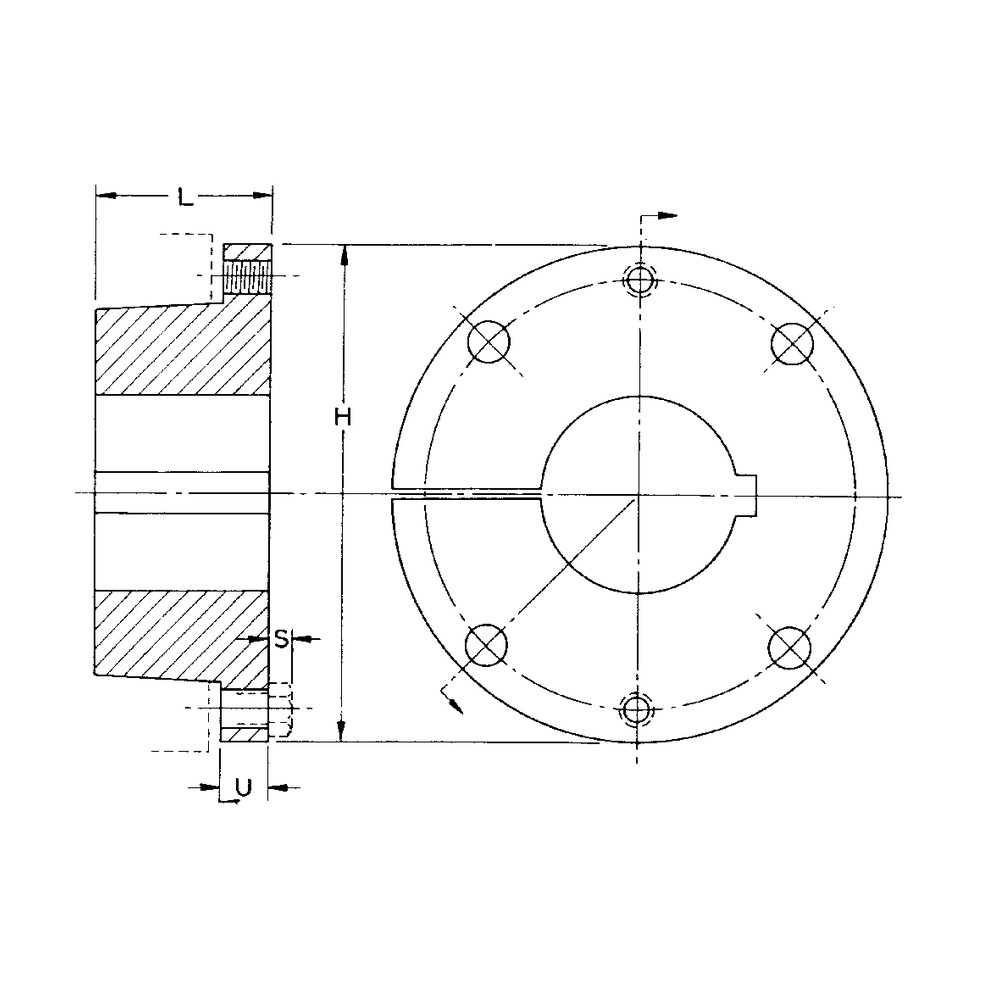
The EP XT family runs from EP-XTB15 to EP-XTB120. The catalogue gives L, U, H and S dimensions, cap-screw quantity/size, stock bore information and matching XT hub references. The largest XT models use more fasteners and substantially heavier components, so handling and access become part of the maintenance plan.
What is a QD bushing?
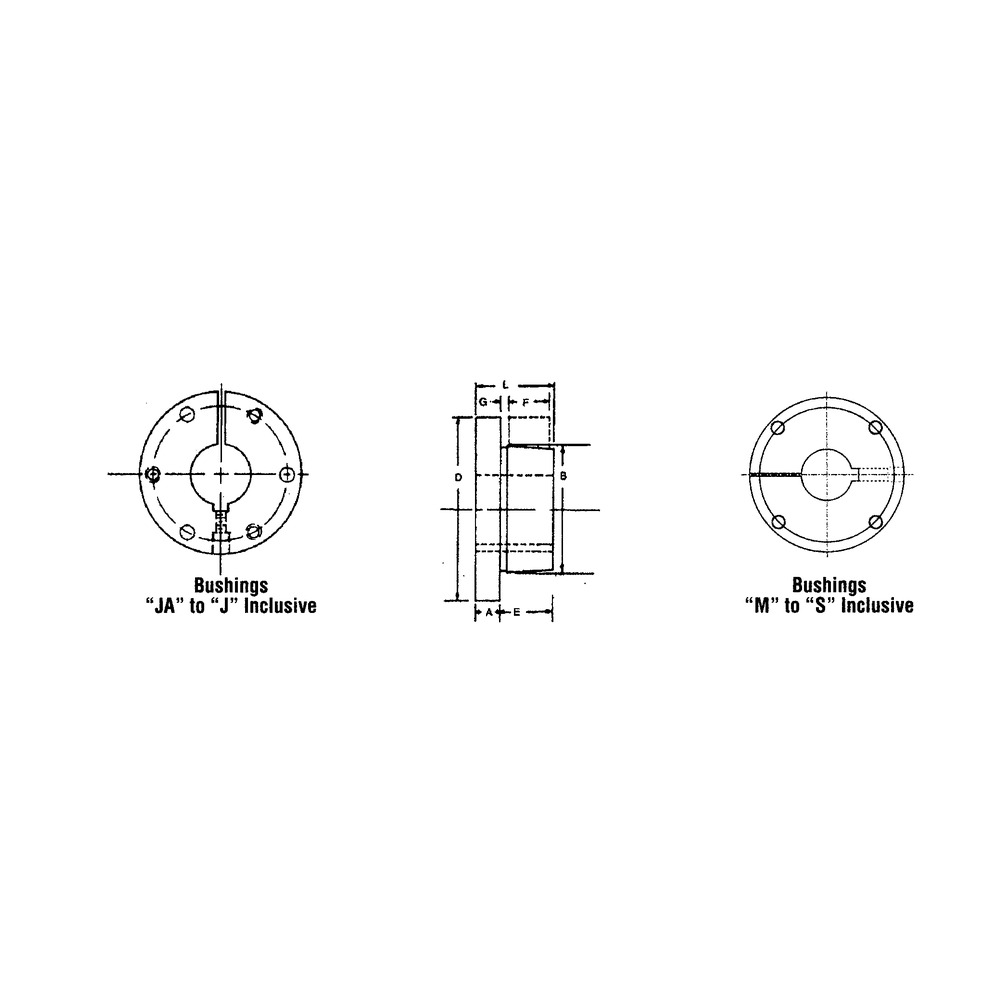
The EP QD steel group uses lettered sizes such as SF, E, F, J, M and N, with a distinct flange/barrel shape and standard or shallow keyway options. QD weld-on hubs extend the interface into fabricated sprockets and plates. Selection begins with the QD size and mating component, then moves to bore and keyway.
Head-to-head comparison
| Check | XT | QD |
|---|---|---|
| Model system | EP-XTB15 through EP-XTB120. | Lettered EP QD series such as SF, E, F, J, M, N. |
| Mating hub | Matching XT hub reference and type. | Matching QD sheave, sprocket or QD weld-on hub. |
| Key technical dimensions | L, U, H, S, bore/keyseat and cap screws. | A/B/D or QD geometry, bore/keyway and flange/bolt pattern. |
| Replacement approach | Measure hub/bushing and verify XTB/XTH identity. | Verify QD size and mating component before bore selection. |
| Direct substitution | Not with a QD hub. | Not with an XT hub. |
When XT is the established machine interface
Use XT when the existing sheave, pulley or fabricated hub is clearly an XT system, or when a new design is being built around an XT hub family. On old equipment, the H dimension, screw count, bore and hub marking are strong identification clues when the stamped XTB code is worn.
When QD is the established machine interface
Use QD where the existing component has the QD flange/barrel pattern, or where a QD weld-on hub is intentionally being fabricated into the driven component. Do not infer QD size only from the shaft bore; several families can overlap in bore while using different outside geometry.
Frequently asked questions
Can an XT bushing be installed in a QD hub?
No. XT and QD are different interface families and the mating hub must match the bushing system.
What should I measure if the part number is unreadable?
Record the shaft bore, flange/body dimensions, cap-screw size/count, keyway and the mating hub dimensions, then compare those measurements with the correct family drawing.
Related products and resources
Need help with a real application?
Send the model, shaft diameter, keyway or drawing so the enquiry can be checked against the correct bushing family.