taper-bush
Application Engineering
Fans and blowers make small alignment errors visible. A sheave that is offset or a hub that runs eccentrically can add vibration that travels through bearings, belts and the air-handling structure. The bushing is only one part of that system, but it must locate the rotating component consistently and remain serviceable.
HVAC equipment uses several connection types: small motor and fan sheaves may use compact Taper Lock sizes, industrial blowers may use larger Taper Lock or XT systems, and some service-intensive drives use QD components. Identify the hub family before selecting the shaft bore.
Fan systems that use taper bushings
| Fan/drive | Typical connection | Selection concern |
|---|---|---|
| Air-handling unit | Motor and fan sheaves on V-belt drive. | Compact bore, axial alignment and service access. |
| Industrial centrifugal fan | Large sheave or impeller hub. | Concentricity, balance and shaft/hub geometry. |
| Axial fan auxiliary drive | Pulley or hub on motor/fan shaft. | Speed, balance and guarding. |
| Large blower | XT, Split Taper or heavy taper-bore hub depending on design. | Hub family, weight and installation access. |
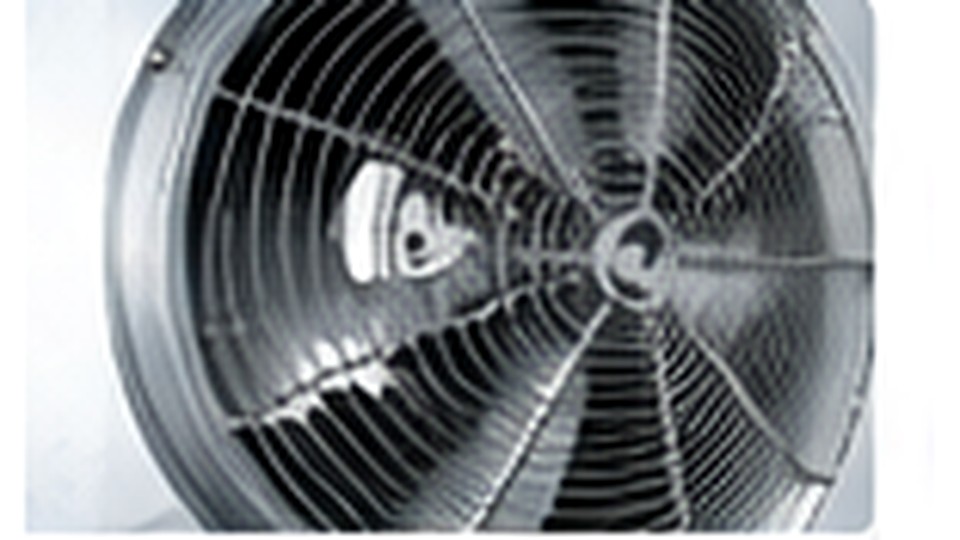
Why balance and concentricity matter
The bushing should seat on a sound shaft and in an undamaged hub so the rotating component remains concentric. After assembly, verify the fan or sheave according to the equipment balance/alignment procedure. A bushing is not a balancing device, and changing bushing family will not correct an eccentric or damaged wheel.
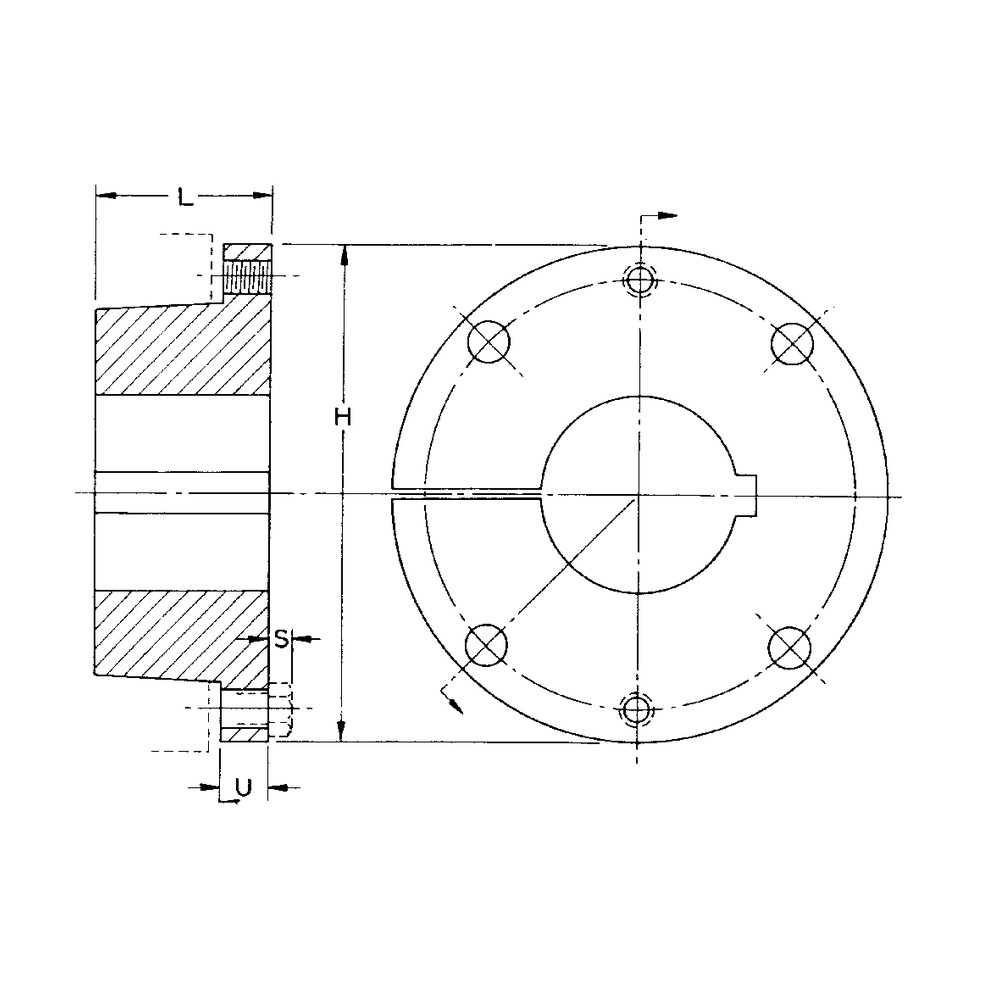
Series choices follow the hub and shaft
EP-1008 through EP-2517 are compact references often seen on smaller shafts; EP-2012 through EP-4040 cover larger taper-lock connections; XT models extend into large flanged hub systems. Use those ranges only as navigation. The actual selection needs shaft bore, hub interface and duty data.
Maintenance access in HVAC equipment
Air handlers can place sheaves close to frames, guards or bearing supports. Make sure the tightening and removal holes remain accessible after installation. When replacing belts during scheduled service, inspect the bushing for fretting and the shaft for keyway wear rather than disturbing a sound connection unnecessarily.
Information to send with a fan-drive enquiry
Provide fan type, shaft diameter, motor power and speed, sheave or hub reference, existing bushing model, keyway and a photo showing available access. If vibration is the reason for replacement, include alignment or balance findings so the new part is not expected to solve a system problem by itself.
Frequently asked questions
Does a taper bushing guarantee a balanced fan?
No. The bushing can support concentric mounting when the shaft and hub are correct, but the complete rotating assembly still needs the required balance and alignment.
Can I replace an XT fan hub with QD?
Only by redesigning or replacing the mating hub/component. XT and QD are different interfaces.
Related products and resources
Need help with a real application?
Send the model, shaft diameter, keyway or drawing so the enquiry can be checked against the correct bushing family.