taper-bush
Product Comparison
“Split” and “solid” are often used loosely in maintenance conversations, but the practical issue is the complete shaft-to-hub system. A split taper bushing is designed around a specific split body and matching hub geometry; a one-piece taper-lock or straight hub arrangement uses a different interface.
The right comparison is therefore not simply strength versus convenience. Look at how the component locates concentrically, how the fasteners are accessed, what has to be removed during service, and whether the existing hub can accept the proposed bushing family.
Split Taper design and advantages
The EP Split Taper family includes Type 1 and Type 2 configurations and matching steel hubs. The split geometry lets the bushing clamp as the assembly is drawn into its mating hub. Accurate identification of the type, family letter, bore and hub dimensions is important because a visually similar split bushing can still have the wrong flange or hub interface.
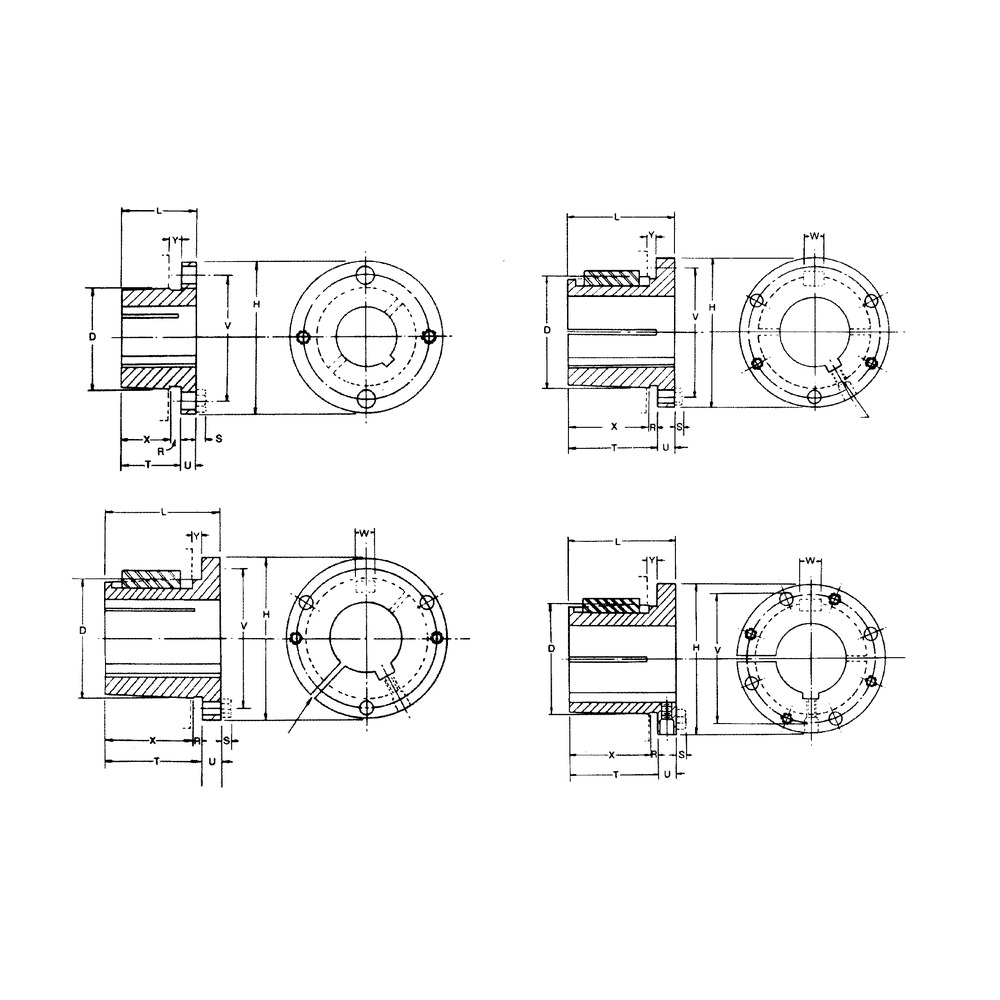
One-piece taper-style connections
A one-piece taper-lock bushing uses its own tapered outside interface and tightening/removal pattern. It is compact and widely used with dedicated taper-bore pulleys, sprockets and hubs. If the machine was built around this family, changing to Split Taper is not a bushing-only substitution; the mating component must change too.
Comparison for engineering decisions
| Criterion | Split Taper | One-piece Taper Lock style |
|---|---|---|
| Mating component | Matching Split Taper hub, Type 1/Type 2 as applicable. | Matching taper-lock hub or taper-bore component. |
| Identification | Family/type, bore, keyway and hub dimensions. | Numbered series, A/B/D geometry, bore/keyway and fasteners. |
| Service access | Depends on flange and bolt access around the hub. | Depends on tightening and removal-hole access. |
| Alignment control | Check concentricity and final drive alignment after assembly. | Check taper seating and final drive alignment after assembly. |
| Direct interchange | Only with matching Split Taper geometry. | Only with matching taper-lock geometry. |
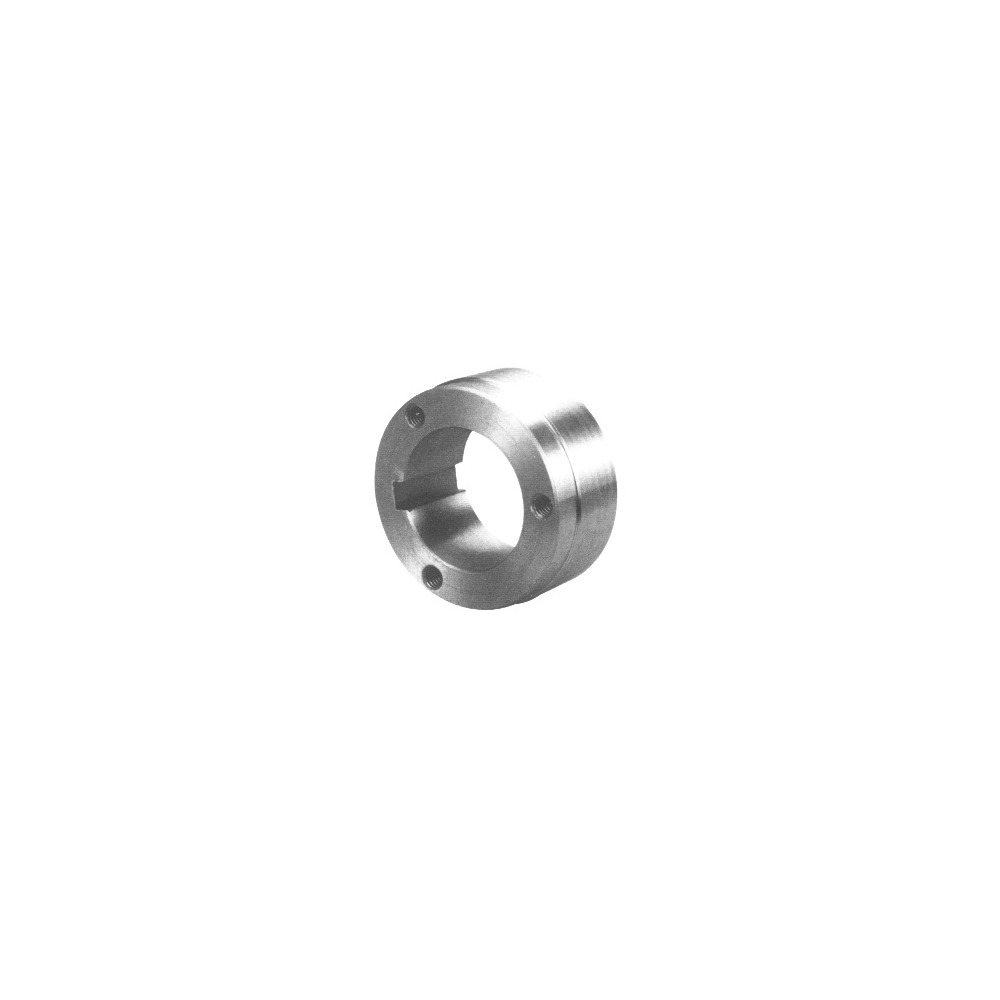
Where Split Taper is often considered
Split Taper can be attractive where the machine already uses matching split-taper hubs, especially in pulley, sheave and rotating-drive assemblies where service teams value clear hub/bushing identification. The catalogue includes several family letters and separate Type 1/Type 2 references, so selection should be drawing-led rather than based on diameter alone.
Where Taper Lock is often considered
Taper Lock fits naturally when the component is already available with a taper-lock bore, when a compact numbered series is preferred, or when existing plant spares are standardized around that family. The decision should still include shaft fit, keyway, fastener access, duty and the condition of the mating hub.
Frequently asked questions
Is a Split Taper bushing automatically more accurate at high speed?
Do not assume a performance advantage from the split alone. Final concentricity depends on the complete hub, shaft, machining and assembly condition.
Can I replace a Taper Lock bushing with Split Taper without changing the pulley?
Normally no. The mating hub geometry is different, so the driven component must be designed for the selected family.
Related products and resources
Need help with a real application?
Send the model, shaft diameter, keyway or drawing so the enquiry can be checked against the correct bushing family.